




Vayu – The Air Element
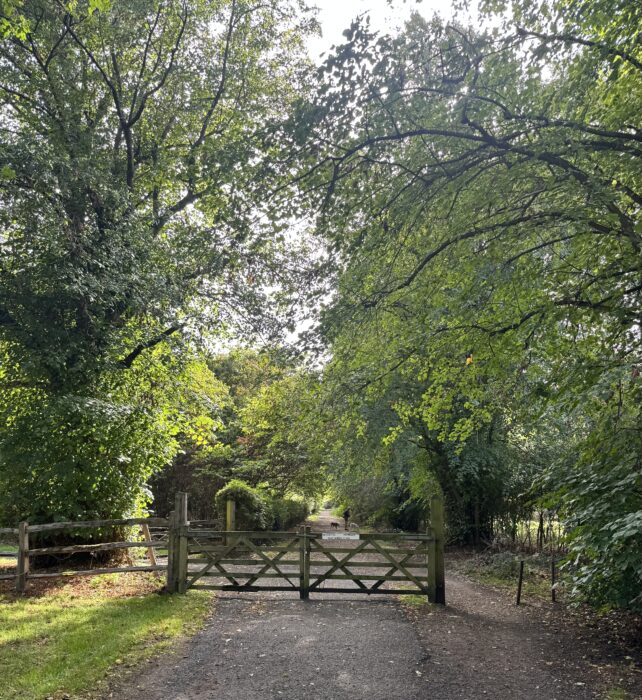
Vayu — The Element of Air
Breath • Movement • Freedom • Lightness
There is something deeply magical about the air. We cannot see it, yet we feel it.
A gentle breeze against the skin.
The movement of leaves in the trees.
The rise and fall of the breath.
The space between one thought and the next.
In yoga, Vayu, meaning air or wind, is one of the five great elements, or Pancha Maha Bhutas. Vayu represents movement, lightness, change and freedom. It is the element that reminds us that nothing is ever truly still.
Where Earth invites us to root, Water teaches us to flow, and Fire awakens our inner power, Air asks us to move, breathe and let go.
The wisdom of Vayu
Air is constantly moving.
It travels through the spaces around us, moves the clouds across the sky and carries seeds upon the wind. Within our own bodies, the breath moves through the lungs, oxygen travels through the bloodstream and energy moves through the subtle pathways of the body.
Vayu therefore connects beautifully with prana — the vital life force that animates us.
Every breath is an invitation to receive. Every exhalation is an invitation to release.
Yet the quality of air also reminds us that too much movement can leave us feeling scattered. When life becomes busy, when the mind races from one thought to another, or when we struggle to be fully present, we may feel as though we have lost our grounding.
Vayu asks us to find freedom without losing our roots.
Vayu and the breath
The breath is perhaps our most intimate experience of the air element. We breathe without needing to think about it. From our first breath to our last, the breath accompanies us through every experience of life.
In yoga, conscious breathing can become a bridge between the physical body, the mind and the subtle energy within us.
Vayu in our yoga practice
An Air-inspired practice might explore movement, balance, openness and spaciousness.
Think of movements that create a sense of freedom through the body — expansive arm movements, flowing transitions, twists and postures that open the chest and side body.
Balancing postures can also beautifully embody Vayu. When we balance, we are never completely still. The body makes tiny movements, constantly adjusting and responding.
Perhaps this is one of Vayu’s greatest teachings:
Balance isn’t the absence of movement.
Balance is our ability to move with change.
Rather than trying to become perfectly still, we learn to listen. We notice. We adjust. We breathe and we begin again.
The freedom of letting go
Air cannot be held. Try to hold your breath for a moment and you quickly become aware of the body’s desire to release. There is a beautiful lesson here. Sometimes we hold onto thoughts, expectations, relationships, old stories and versions of ourselves long after they have served their purpose.
Vayu gently asks:
What could you allow yourself to let go of?
Perhaps it is the need to control everything. Perhaps it is an expectation of how something should be. Perhaps it is simply a thought that no longer needs your attention.
The exhale becomes our teacher.
We breathe in.
We receive.
We breathe out.
We release.
A Vayu-inspired reflection
As you move through your practice, notice where you feel movement and where you feel resistance. Notice the quality of your breath. Notice whether you are gripping or allowing.
And ask yourself:
Where in my life could I create more space?
What am I ready to release?
Where could I invite more freedom, movement or lightness?
The wind does not ask the leaves to remain where they are.
It moves them gently onward.
Perhaps Vayu invites us to do the same — to trust the movement of life, to soften our grip, and to remember that freedom can sometimes be found not in knowing where we are going, but in allowing ourselves to move with the breeze.



Categorised as: Blog